


20+ years reviewing 10,000+ slots, breaking down games honestly to help you make smarter choices and have fun.
In this exclusive interview, I speak to a spokesperson for Maxxi Labs. It's the newly launched collective of independent studios making plenty of noise with its bold voice and slots built for the streaming generation, and it's set to land at UK slot sites at a rate of 6 to 8 new games a month.
The interview looks at how the decentralised collective model works and at its 6 studios, including Bad Company, Gacha and Red Papaya. It also covers the single-integration pitch to operators, designing slots for streamers, where reskins end and innovation begins, launch title Mad Ducks and what's next for Maxxi Labs.
Q: Maxxi Labs describes itself as a ‘decentralised collective of independent studios’ rather than a traditional provider. In practical terms, how does that structure work and how is it different from a conventional studio group with internal teams?
MD: “A conventional studio group usually runs its teams from the centre: shared roadmaps, shared house style and, over time, a shared look. We split it the other way. Everything creative and technical stays with the studio: art direction, mechanics, maths, identity and how each team builds.
Everything commercial and operational sits with the collective: one integration for operators, shared infrastructure, consistent compliance standards and one brand story. That way the studios keep their own voices, and operators get the scale and reliability of a single partner.”
Q: You currently have 6 studios (Bad Company, Fortune One, Gacha, Red Papaya, Slotty and Ventura) each with its own identity. How do you decide what each studio owns, and how do you stop them competing with or duplicating each other?
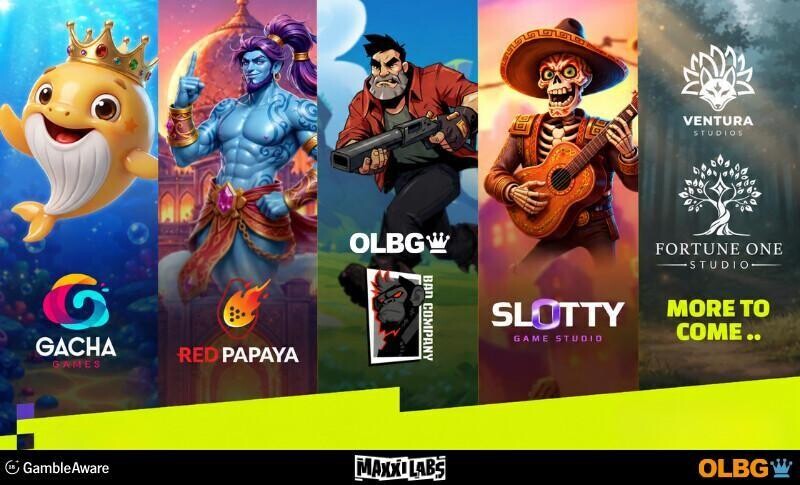
MD: “Each studio keeps ownership of its own mechanics and IP. We review every roadmap centrally, so the collective releases 6 to 8 games a month without 2 studios chasing the same player with the same game. For example, Bad Company focuses on high-volatility slots, while Red Papaya makes data-driven slots with wide theme and regional reach.”
Q: The pitch to operators is a ‘completely diverse product line-up through a single integration’. What does that one-integration, many-studios model give an operator that signing several separate providers wouldn’t?
MD: “Variety without the overhead. With one integration, an operator gets several distinct studio identities, each bringing something fresh to the lobby, all on one enterprise-grade backend built for high player volumes and traffic spikes.
Our launch title, Mad Ducks from Bad Company, shows what that looks like: a game built to stand out, not to blend in. That means one technical build, one commercial relationship and one set of compliance standards instead of six. On top of that sit Rewards, our plug-and-play loyalty and engagement engine, and room for customisation and exclusive content."
Q: The whole brand is built around ‘the reaction’ and the streaming generation, with games engineered for viral streaming appeal. How does designing explicitly for streamers change the actual game maths and pacing, versus designing for a typical player?
MD: “The key moments are designed into the game, not added afterwards in marketing. They're built for real-time engagement and high-impact moments that work as well for someone watching as for someone playing. That often means very high volatility, escalating features and persistent mechanics.
Streamers and their communities are the pillars of how we build each game's brand. We're already live with a few, and we plan to scale that massively over the coming months.”
Q: Language like ‘we don’t just supply the market, we arm it’ and ‘weaponise next-gen screen mechanics’ is unusually aggressive for the sector. Is that a deliberate break from how incumbents present themselves, and who is it aimed at?
MD: “Yes, standing out is deliberate. Maxxi Labs is built to bring a fresh, distinctive edge to the market. That boldness is for operators. It's about giving them content that stands out in the lobby and tools that are ready to use from day one.”
Q: Several studios openly describe their approach as reskins of proven mechanics: Ventura as a cash-on-grid reskin, Slotty reimagining the maths and mechanics players already love. Where do you draw the line between building on proven mechanics and genuine innovation?
MD: “That's one of the advantages of having several studios. Some can focus on proven mechanics and features players already love, while others have room to be more experimental. Being a collective isn't just about producing more content. It gives us the ability to try new things and build games that resonate with our customers' audiences.”
Q: Gacha is highlighted for Cluster Pays innovations like Link & Merge, and Red Papaya for Maxways, Hold & Win and Triple Pot. Which of your studios’ mechanics do you think best demonstrates that the collective is doing something new rather than familiar?
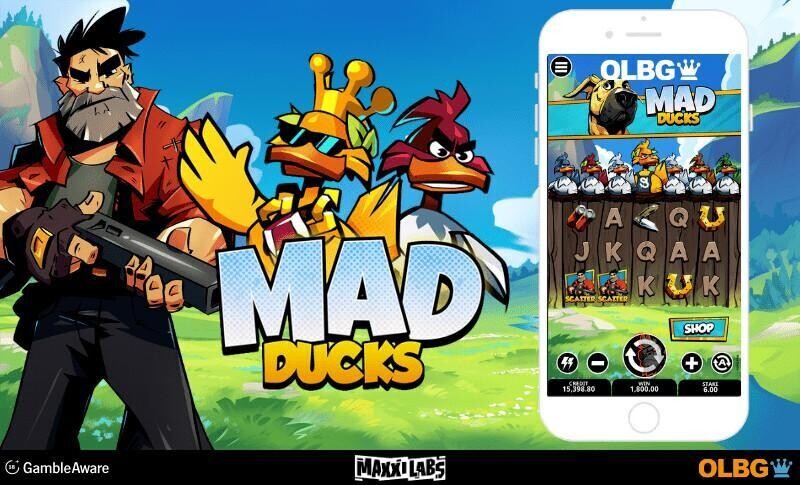
MD: “Mad Ducks from Bad Company is a good example of that. There are many more games in the pipeline that will innovate, not just in terms of features, but also in how they balance the key factors of any slot, like volatility, max multiplier and hit frequency.”
Q: You’ve launched with a striking model and a bold voice. 12 months from now, how will you measure whether the decentralised-collective approach has actually outpaced the traditional studio model, and what’s next for Maxxi Labs?
MD: “Launching the model was the opening move, not the finish line. In 12 months we'll judge ourselves on 3 things: whether we've kept a steady 6 to 8 releases a month across the studios; how many operators are taking content tailored to their players; and whether the collective has grown with new studios without losing what makes each one distinct. What's next is exactly that: bespoke, exclusive content for specific markets and operators.”
Play free demo slots
Want all the latest slots news?
Subscribe to the Reel Talk: it’s a free weekly slots newsletter packed with exclusive competitions, new slot previews and demos, jackpot alerts, and merch giveaways.


